
What is Molded Polyurethane Foam?
Elastas
The Modern Marvel of Polyurethane: A Comprehensive Overview
Polyurethane is a material that has revolutionized the modern world, seamlessly integrating into countless applications and industries. This versatile polymer, capable of being rigid or flexible, plays a vital role in products we encounter daily. From construction and automotive industries to household goods, polyurethane is indispensable. But what makes this material so unique, and how has it shaped our lives?
Key Takeaways
Versatility: Polyurethane’s ability to adapt to diverse densities and properties makes it suitable for countless applications.
Energy Efficiency: Exceptional insulation properties significantly reduce energy consumption in buildings and appliances.
Sustainability: Advances in renewable raw materials and recycling methods contribute to a greener future.
Innovations: From surfboards to wind turbines, polyurethane has driven innovation across industries.
Health Considerations: Proper handling during production and safe consumer products are essential for minimizing risks.
The Origins of Polyurethane
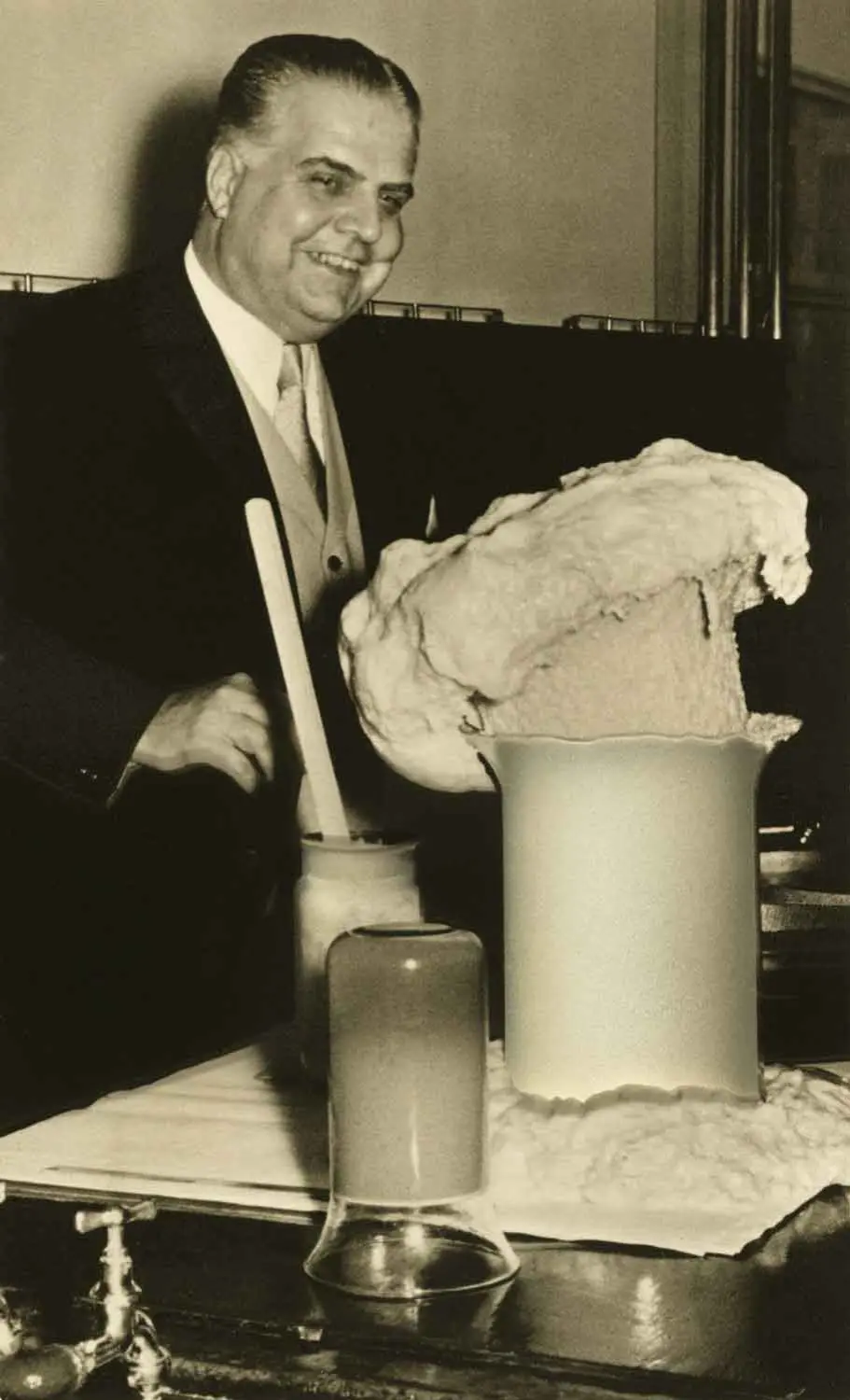
The story of polyurethane begins in 1937 in Leverkusen, Germany, where Otto Bayer and his team at IG Farben pioneered its development. Initially created as a synthetic alternative to rubber during World War II, polyurethane quickly proved to be far more than a substitute. Early applications included aircraft coatings and textile treatments, but the potential for this innovative material soon became evident.
By the 1950s, polyurethane had expanded into adhesives, elastomers, and rigid foams. Flexible polyurethane foam, used in furniture and bedding today, emerged in this period. A groundbreaking innovation in 1969 introduced reaction injection molding (RIM), enabling the production of lightweight yet durable automotive parts. Notably, the Pontiac Fiero debuted in 1983 as the first U.S. car featuring a plastic body made with this technology.

Understanding Polyurethane: The Science Behind the Material
Polyurethane is a polymer formed by the chemical reaction of diisocyanates (such as TDI and MDI) with polyols. This reaction creates chains of molecules that can be manipulated to produce materials with diverse properties. Adjustments in formulation allow manufacturers to achieve varying levels of density, hardness, and flexibility:
Flexible Foams: Used in mattresses, furniture cushions, and car seats, these foams provide unparalleled comfort and resilience.
Rigid Foams: Closed-cell structures offer exceptional thermal insulation, making them indispensable in construction and refrigeration.
High-Durability Products: Solid, dense polyurethane forms robust items like wheels, industrial rollers, and coatings.
The adaptability of polyurethane ensures its widespread utility across industries.
Energy Efficiency and Sustainability
Polyurethane stands out as a key material in the global push for energy efficiency. Its exceptional insulation properties reduce energy consumption and lower greenhouse gas emissions. For instance:
A 1.6 cm-thick polyurethane panel provides the same insulation as a 1.34 m-thick concrete wall.
Homes insulated with polyurethane save energy equivalent to their production cost within just one year.
Modern refrigerators using polyurethane insulation are 60% more energy-efficient compared to models from 15 years ago.
As sustainability becomes a priority, polyurethane manufacturers have embraced renewable raw materials and recycling methods, further enhancing the material’s green credentials.
Innovative Applications and Fascinating Facts
Polyurethane’s adaptability has led to some remarkable innovations and applications:
In the 1950s, polyurethane was used to create the first lightweight, high-performance surfboards, revolutionizing the sport.
Thermoplastic polyurethane (TPU) introduced durable, high-grip wheels for roller skates in the 1970s.
Modern storm barriers and dams incorporate polyurethane solutions for their durability and weather resistance.
Polyurethane-based coatings and adhesives have transformed construction, automotive, and industrial manufacturing processes.
Bayer’s “all-plastic car” in 1969 highlighted the potential of polyurethane in automotive design, paving the way for lighter and more fuel-efficient vehicles.
These examples demonstrate the boundless possibilities of polyurethane in innovation and design.
Health and Safety Considerations
While fully cured polyurethane is chemically inert and safe, the production process involves certain hazards. Isocyanates, a key component in polyurethane manufacturing, can pose risks to respiratory and skin health if handled improperly. Protective measures during manufacturing and application are essential to ensure worker safety.
In consumer products, flame retardants in polyurethane-based furniture have raised concerns about toxicity. Regulatory updates, such as Crib 5, allow manufacturers to meet flammability standards without harmful additives. Consumers can look for products with certifications to minimize potential exposure to hazardous chemicals.
The Role of Polyurethane in Everyday Life
Polyurethane’s versatility is evident in its extensive range of applications:
Construction: Rigid foams provide energy-efficient insulation for buildings, reducing heating and cooling costs.
Automotive: From seating and headrests to durable coatings, polyurethane enhances vehicle safety and comfort.
Furniture and Bedding: Flexible foams deliver unmatched comfort and longevity in mattresses and cushions.
Sports and Recreation: Lightweight, high-performance polyurethane materials are used in athletic gear and equipment.
Electronics: Coatings and adhesives protect sensitive components from moisture and damage.
These applications showcase the transformative impact of polyurethane on modern life.
Future Directions and Innovations
As industries seek sustainable solutions, polyurethane continues to evolve. Research focuses on bio-based polyols and improved recycling techniques to reduce environmental impact. Innovations in manufacturing, such as 3D printing with polyurethane materials, are opening new frontiers in design and production.
Additionally, polyurethane’s role in renewable energy systems, such as wind turbine blades and solar panel components, underscores its importance in building a greener future.
Conclusion
Polyurethane is a testament to the power of innovation, transforming industries and improving daily life. From its origins as a wartime substitute to its current status as a cornerstone material in sustainability and technology, polyurethane’s journey is one of constant evolution. As new challenges arise, this adaptable and durable material will undoubtedly remain at the forefront of progress, shaping a brighter and more sustainable world.


