
History of Polyurethane Foam Development
Polyurethane foam has become an integral part of modern life, known for its versatility and performance across industries. From its groundbreaking invention to its numerous contemporary applications, the evolution of polyurethane foam is a testament to innovation and adaptability. Here’s a closer look at the history of polyurethane foam development and how it transformed the world.
Key Takeaways from Polyurethane Foam’s Evolution
The journey of polyurethane foam—from its invention by Otto Bayer to its widespread use today—illustrates the power of innovation in materials science. Key factors contributing to its success include:
Versatility: Polyurethane foam’s ability to adapt to different densities, textures, and properties has made it invaluable.
Technological Innovation: Continuous advancements, from reaction injection molding to water-blown foams, have shaped its evolution.
Sustainability Efforts: Advances in eco-friendly production processes highlight the industry’s commitment to reducing its environmental impact.
Endless Applications: From everyday items like mattresses to critical industrial uses, polyurethane foam continues to evolve to meet diverse needs.
The Birth of Polyurethane
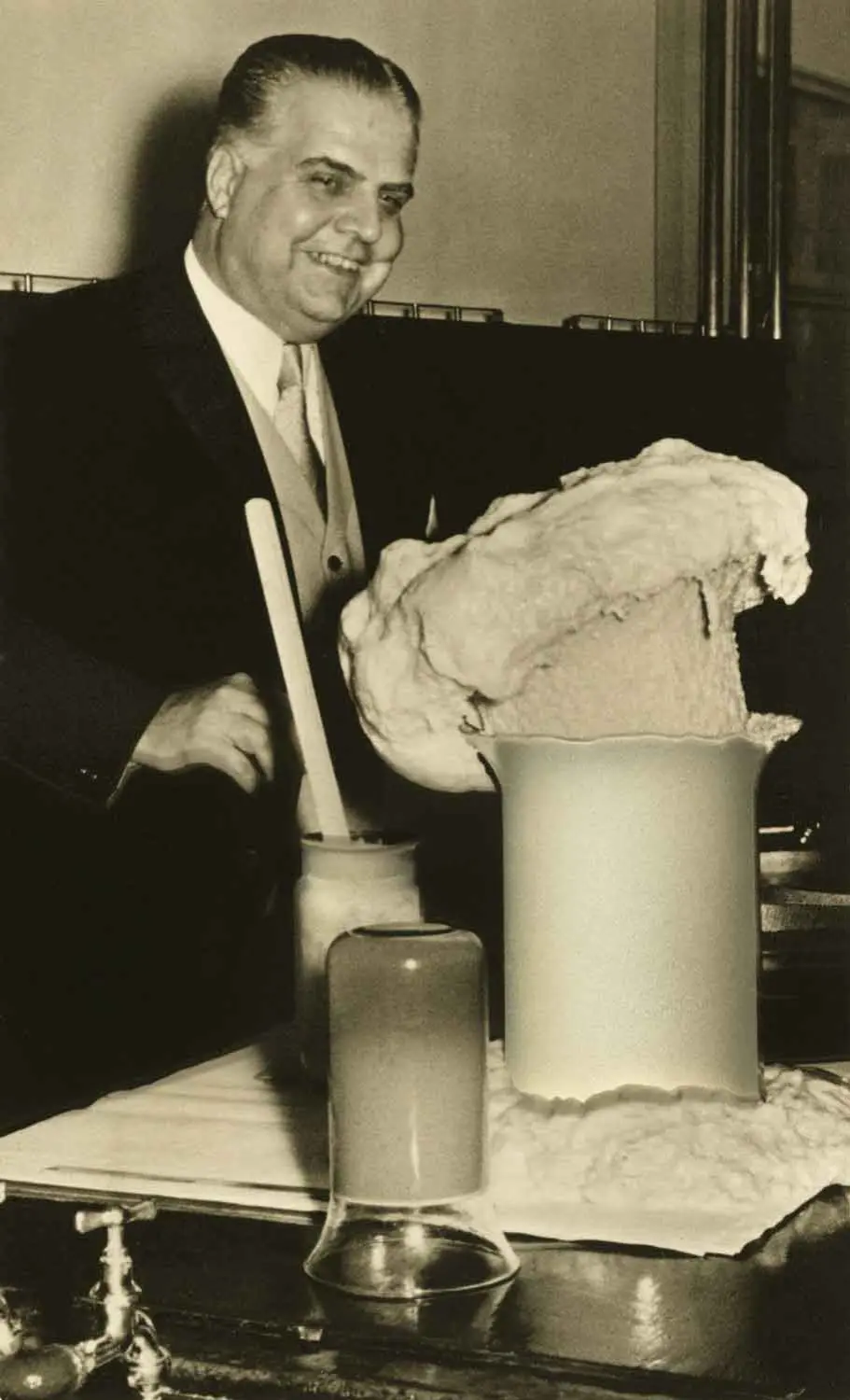
The story of polyurethane began in 1937 when Dr. Otto Bayer and his team at IG Farben in Leverkusen, Germany, synthesized the first polyurethanes. This groundbreaking polymer emerged as a unique alternative to existing plastics, such as polyesters and rubber. The new material quickly demonstrated remarkable potential, particularly during World War II, when it was used as a durable coating for aircrafts.
Unlike earlier polymers, polyurethane offered unmatched flexibility in chemical formulations, enabling the creation of both rigid and flexible materials. These qualities laid the foundation for the development of polyurethane foam.


The Advent of Polyurethane Foam
Polyurethane foam development began in the 1950s when advancements in chemistry enabled large-scale production. Key milestones during this era include:
1952: The commercial availability of polyisocyanates marked a turning point in polyurethane manufacturing. This innovation allowed for more efficient chemical reactions, paving the way for foam production.
1954: Flexible polyurethane foam was introduced, combining toluene diisocyanate (TDI) with polyester polyols. The resulting material was lightweight, soft, and ideal for cushioning applications like furniture and mattresses.
Late 1950s: The introduction of polyether polyols revolutionized the industry. These polyols were less expensive, more water-resistant, and easier to process than polyester polyols, making polyurethane foam more accessible and versatile.
Expansion of Applications in the 1960s and 1970s
The 1960s and 1970s saw rapid diversification in the use of polyurethane foam. This era also brought significant technological innovations:
Rigid Foams for Insulation: With the rise of energy efficiency awareness, rigid polyurethane foam became a go-to material for insulation in buildings and appliances. Its excellent thermal properties made it invaluable in reducing energy consumption.
Automotive Applications: Semi-rigid polyurethane foams began replacing traditional materials in car interiors, including seats, armrests, and dashboard panels. Reaction injection molding (RIM) introduced in 1969 allowed for lightweight yet durable car parts.
Spray Foam Innovations: The development of spray polyurethane foam (SPF) allowed for seamless insulation solutions, particularly for uneven surfaces. This technology remains a staple in construction and industrial applications.
Environmental Considerations and Technological Advances
As the environmental impact of manufacturing processes gained attention, the polyurethane foam industry adapted to meet new challenges:
1980s: The introduction of water-blown microcellular foams reduced reliance on environmentally harmful blowing agents, replacing older materials like PVC in certain applications.
1990s: The Montreal Protocol restricted the use of ozone-depleting chlorofluorocarbons (CFCs) as blowing agents. This led to the adoption of alternative technologies such as hydrofluorocarbons (HFCs), hydrocarbons, and carbon dioxide.
Sustainability Efforts: Modern innovations include the use of bio-based polyols derived from renewable resources, reducing the environmental footprint of polyurethane foam production.
Polyurethane Foam in Modern Times
Today, polyurethane foam is a cornerstone of numerous industries. Its adaptability allows for a wide range of applications, such as:
Furniture and Bedding: Flexible foams provide comfort and support in mattresses, sofas, and office chairs.
Construction: Rigid polyurethane foam remains essential for insulation, helping reduce energy costs and greenhouse gas emissions.
Automotive: Polyurethane foam enhances safety and comfort through seat cushions, headrests, and soundproofing panels.
Healthcare: High-performance foams are used in medical equipment, prosthetics, and surgical pads.
Specialty Applications: Molded polyurethane foam is customized for niche industries, including aerospace, packaging, and sports equipment.
Key Takeaways from Polyurethane Foam’s Evolution
The journey of polyurethane foam—from its invention by Otto Bayer to its widespread use today—illustrates the power of innovation in materials science. Key factors contributing to its success include:
Versatility: Polyurethane foam’s ability to adapt to different densities, textures, and properties has made it invaluable.
Sustainability Efforts: Advances in eco-friendly production processes highlight the industry’s commitment to reducing its environmental impact.
Endless Applications: From everyday items like mattresses to critical industrial uses, polyurethane foam continues to evolve to meet diverse needs.
Conclusion
The history of polyurethane foam development showcases the ingenuity and adaptability of modern science. As the material continues to evolve, its role in promoting sustainability, comfort, and innovation ensures its place as a cornerstone of technological progress for years to come.


